
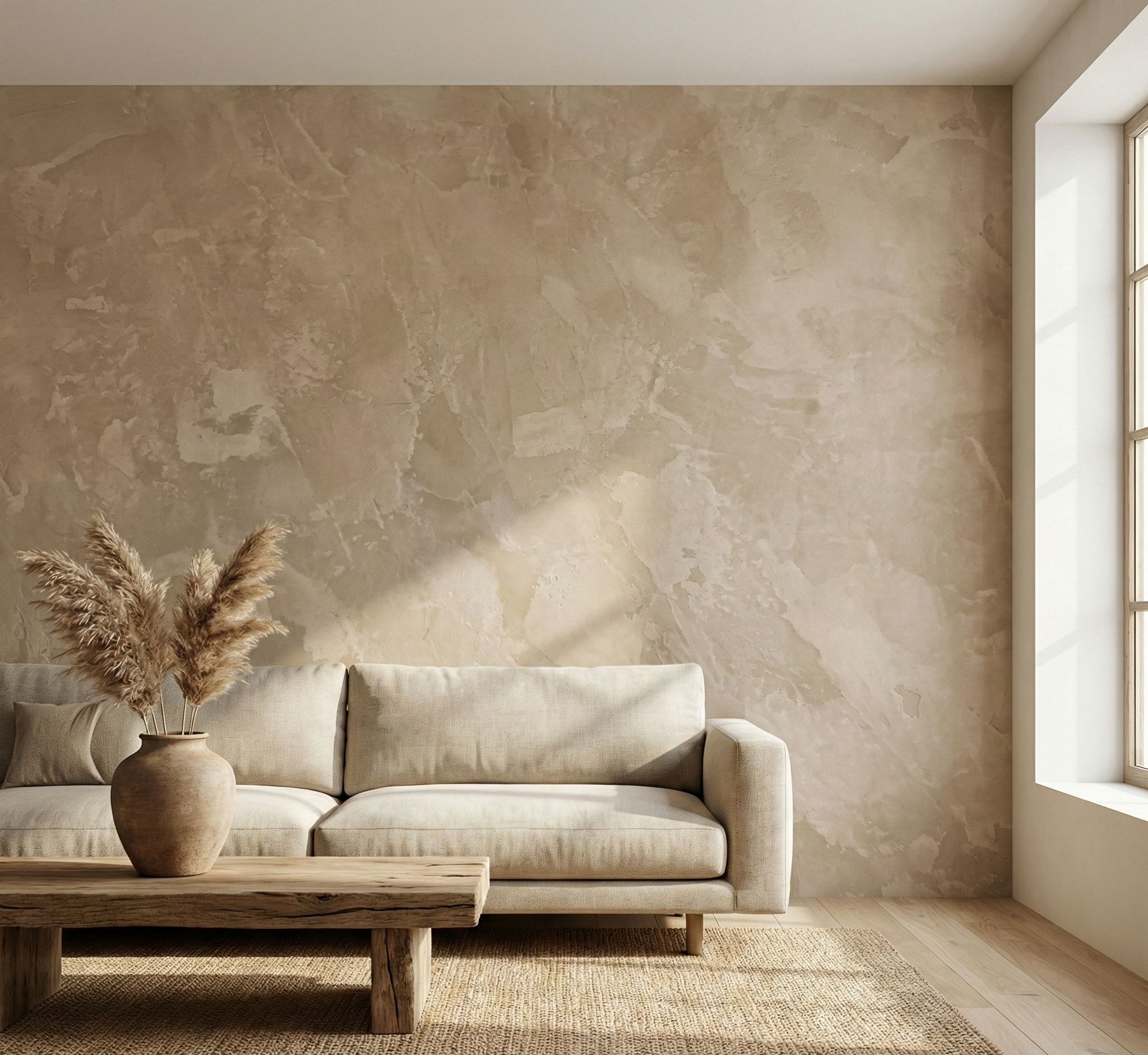
Roman Clay
A matte plaster finish designed for calm, layered interiors.
Roman Clay offers a soft, matte surface character, applied in thin layers to create subtle depth and movement.
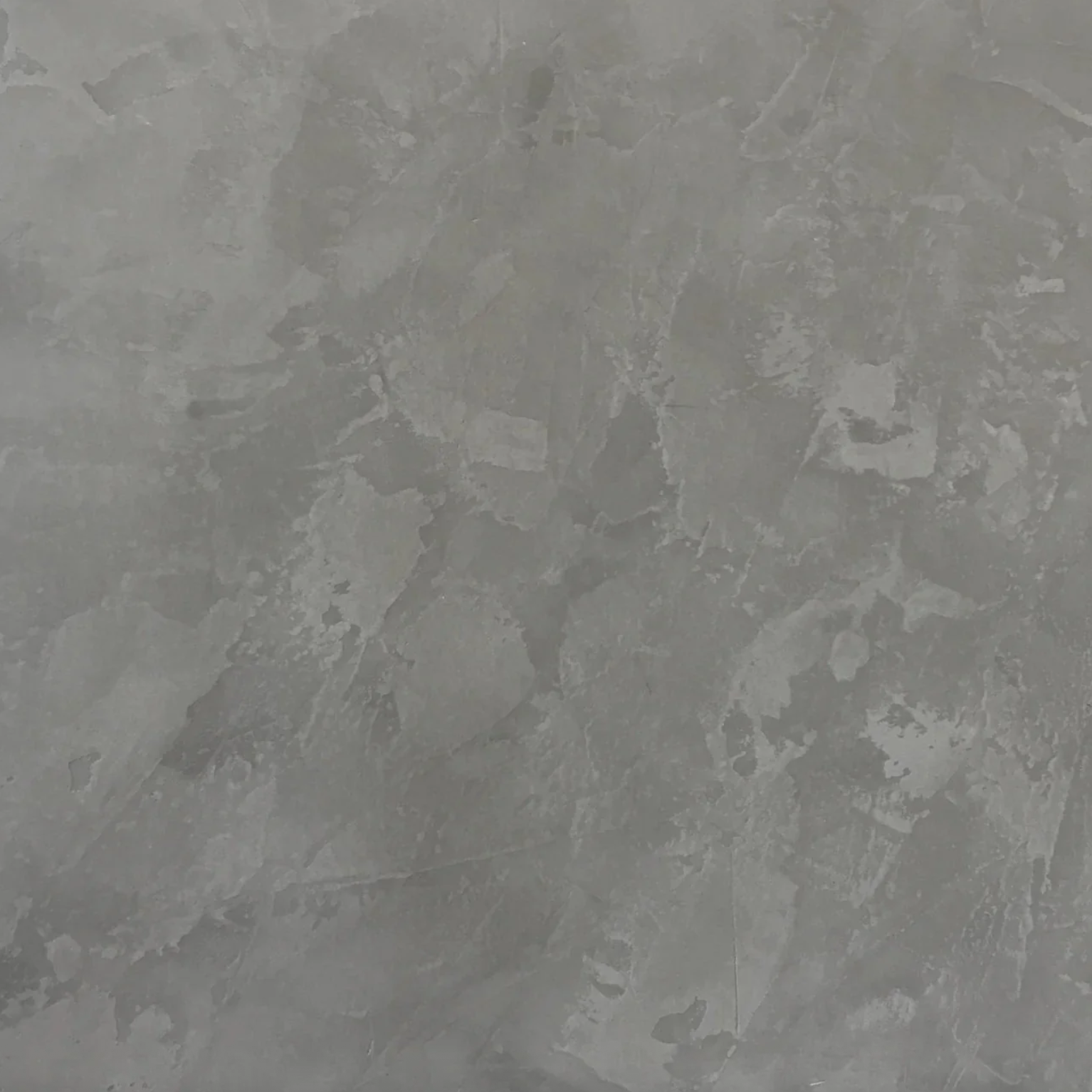
What is Roman Clay?
Roman Clay is a hand-applied mineral wall finish used to create soft, matte surfaces with subtle movement and natural texture. Applied in thin, layered coats, it produces a calm, tactile surface quality that feels warm, grounded, and intentionally varied rather than flat or painted.
At Skim Co, Roman Clay is approached as a considered wall finish system, not a decorative afterthought. Each project includes surface preparation, colour and material direction, layered application, and curing appropriate to the substrate and space.
Roman Clay is suitable for:
• Interior feature walls
• Living spaces and bedrooms
• Hallways and circulation areas
• Dry areas within residential interiors
All Roman Clay finishes are applied by hand, allowing variation and texture to develop naturally through the layering process. The final appearance is shaped by light, movement, and the mineral character of the material itself.
Roman Clay is best suited to clients seeking a soft, matte alternative to paint, and who value texture, tonal depth, and material character over perfectly uniform finishes.
The Roman Clay Process
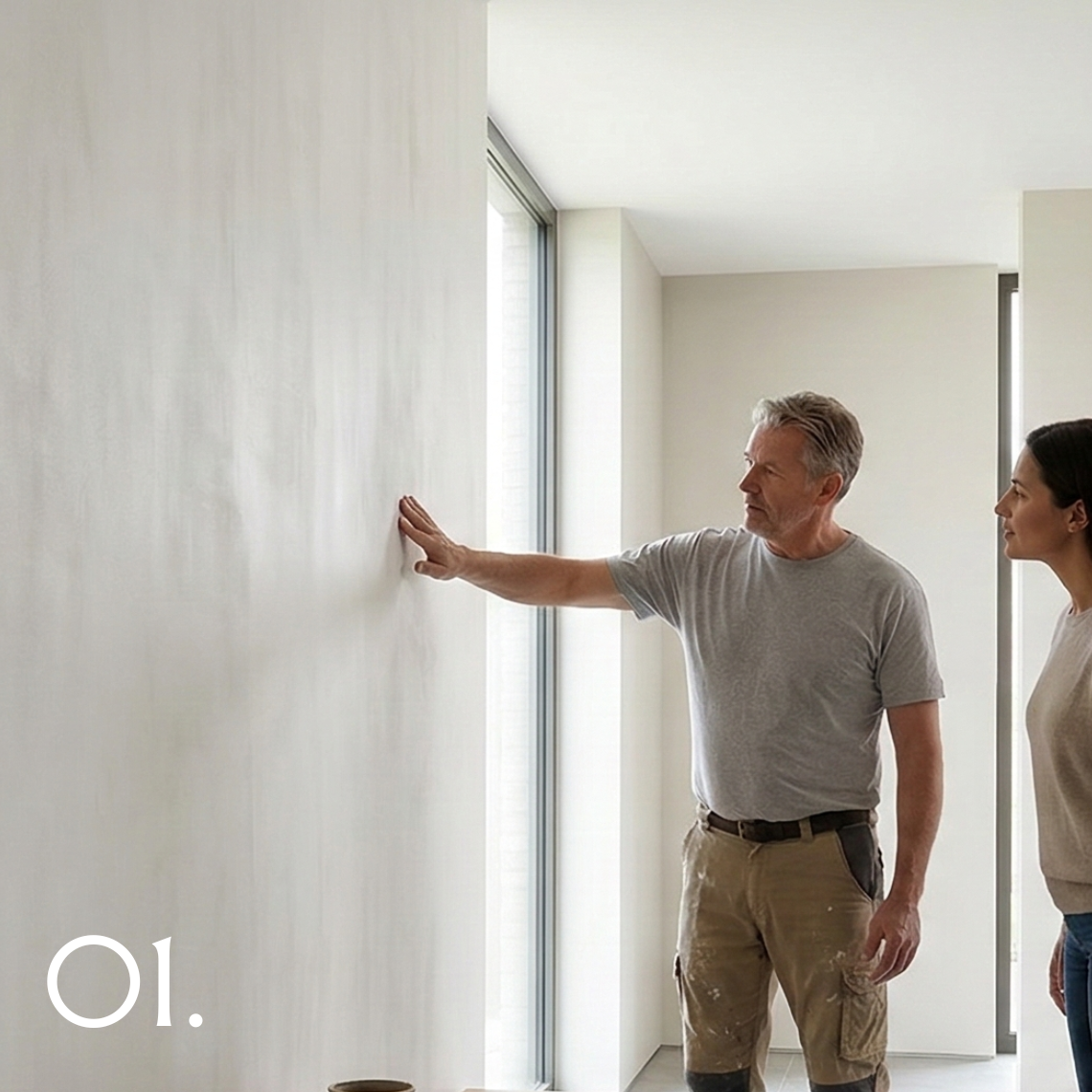
Consultation & Surface Assessment
Each Roman Clay project begins with an evaluation of the space and wall surfaces. We assess the substrate, lighting conditions, and overall context of the room to determine the appropriate preparation and finish approach.
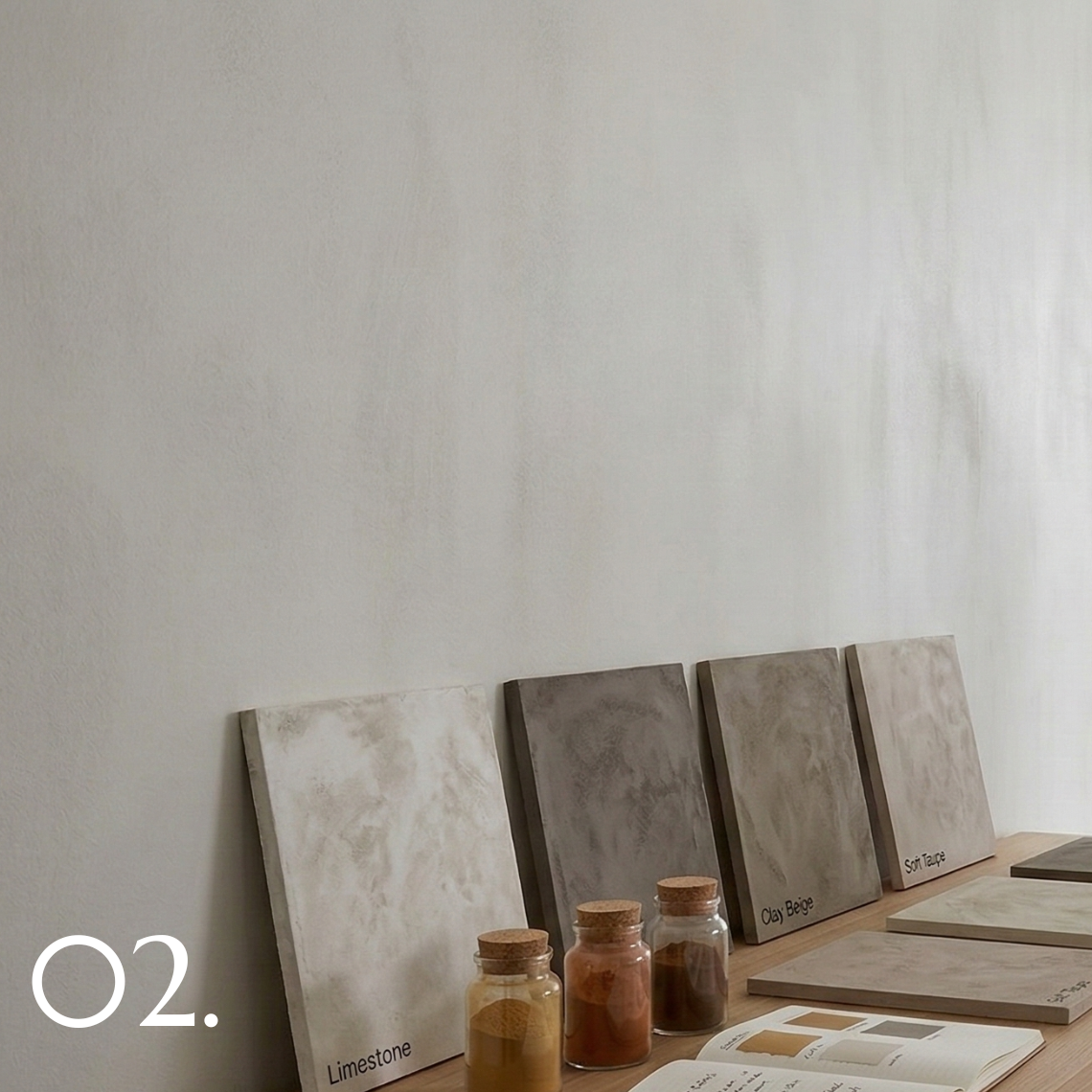
Design, Colour & Material Direction
Roman Clay offers a wide range of mineral tones and levels of movement. During this stage we establish the desired colour, variation, and overall atmosphere of the finish so expectations around texture and depth are clear.
Surface Preparation
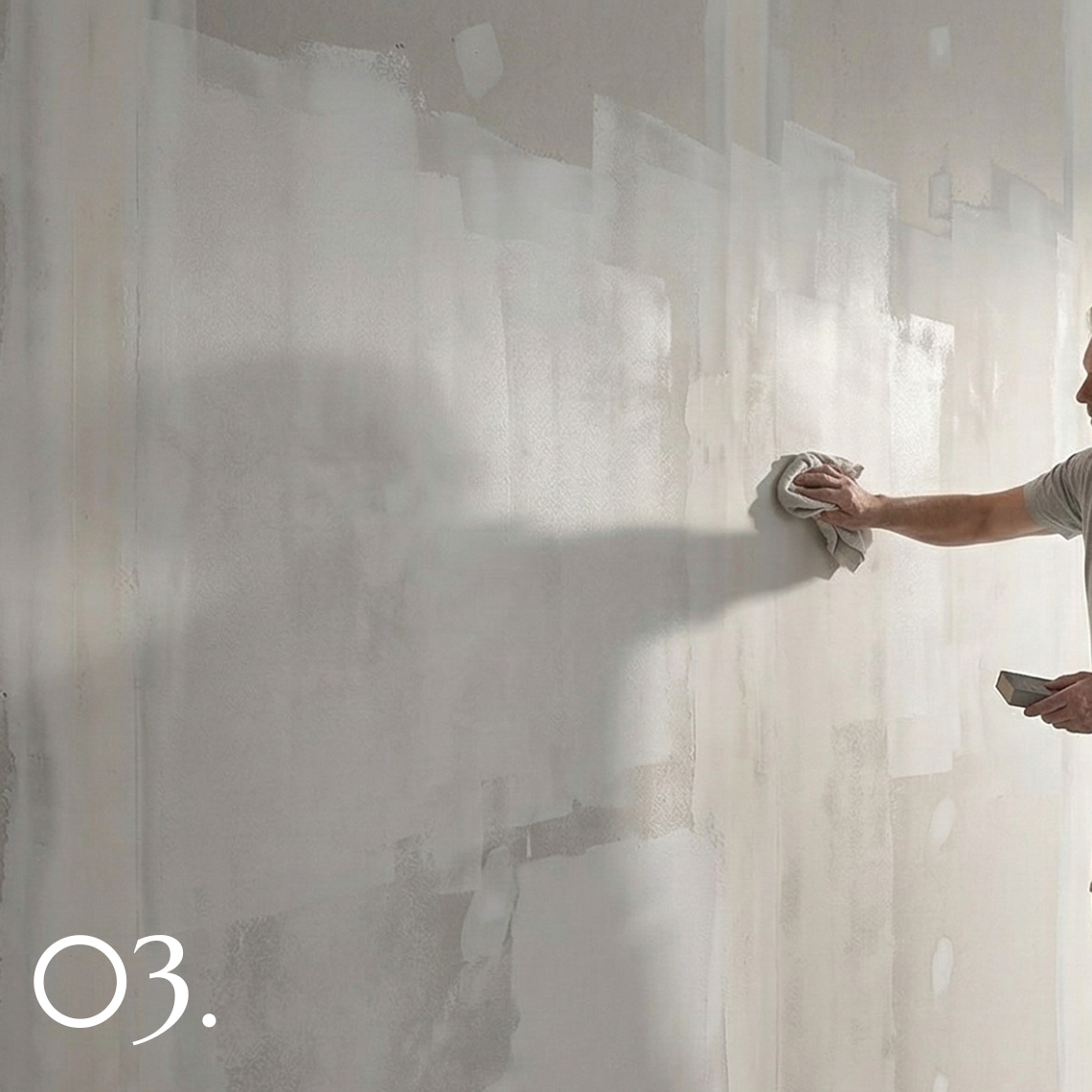
Proper substrate preparation is essential for a consistent Roman Clay finish. Walls are repaired, smoothed where necessary, and primed with compatible products to create an even, stable surface for the material.
Base Layer Application
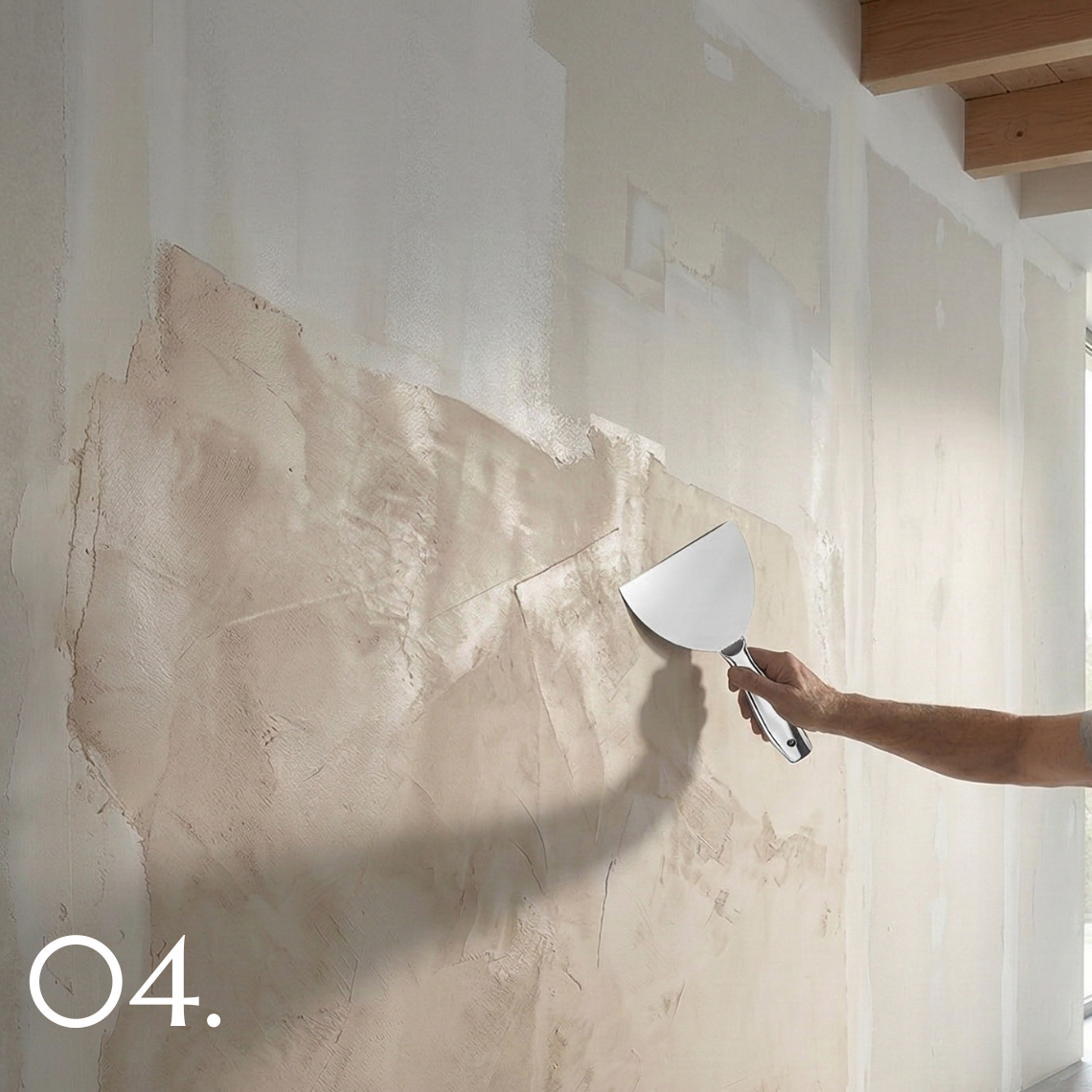
The first coat of Roman Clay is applied in thin, hand-troweled passes to establish the foundation of the finish. This base layer begins to introduce subtle texture and movement across the wall.
Texture Development
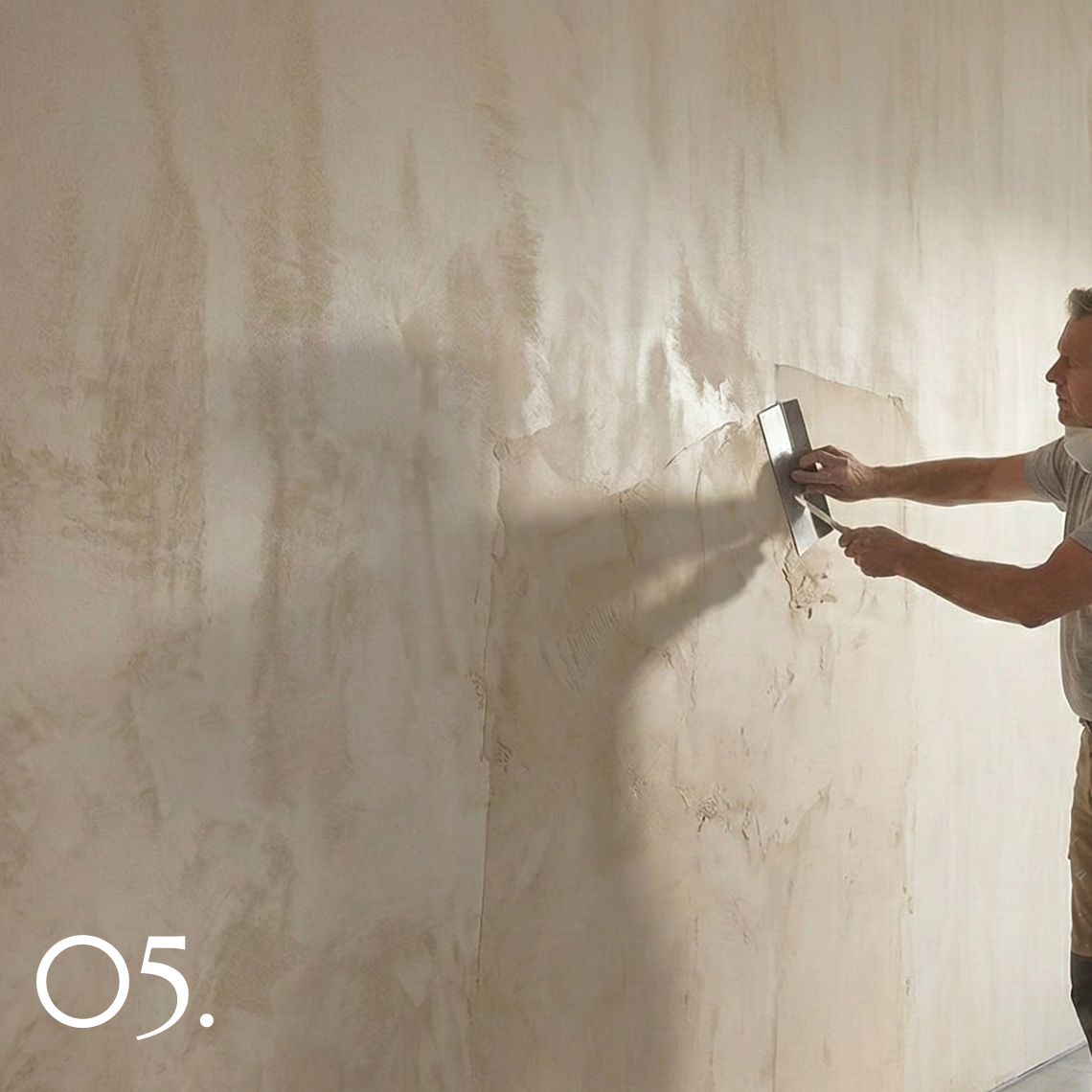
Additional layers are applied and worked by hand to build depth and variation. The application technique creates the soft movement and tactile character that define Roman Clay surfaces.
Finishing & Curing
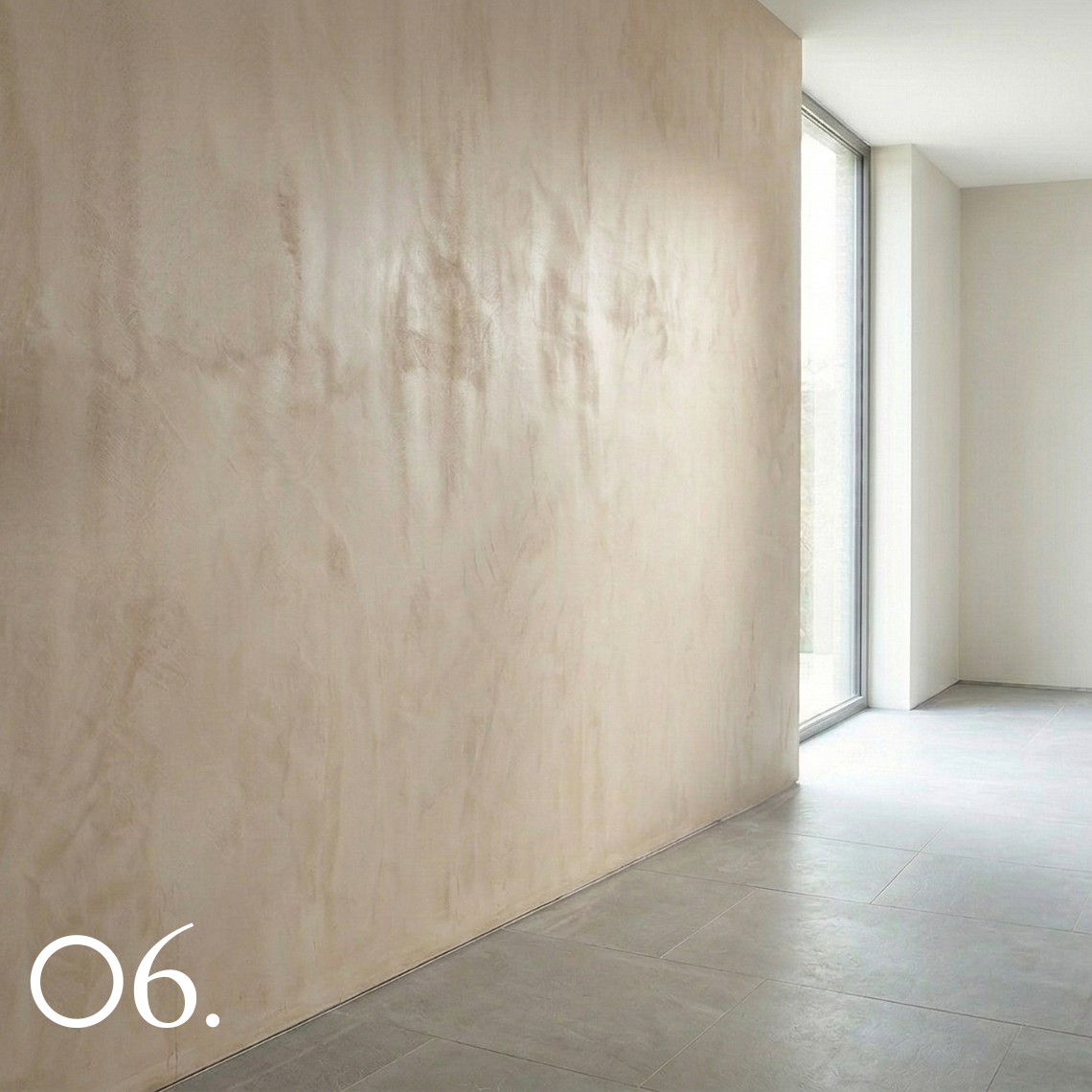
Once the desired texture is achieved, the surface is refined and allowed to cure. The final result is a calm, matte mineral wall finish that develops character through natural variation and light.
Roman Clay Texture & Tone Samples
-
![]()
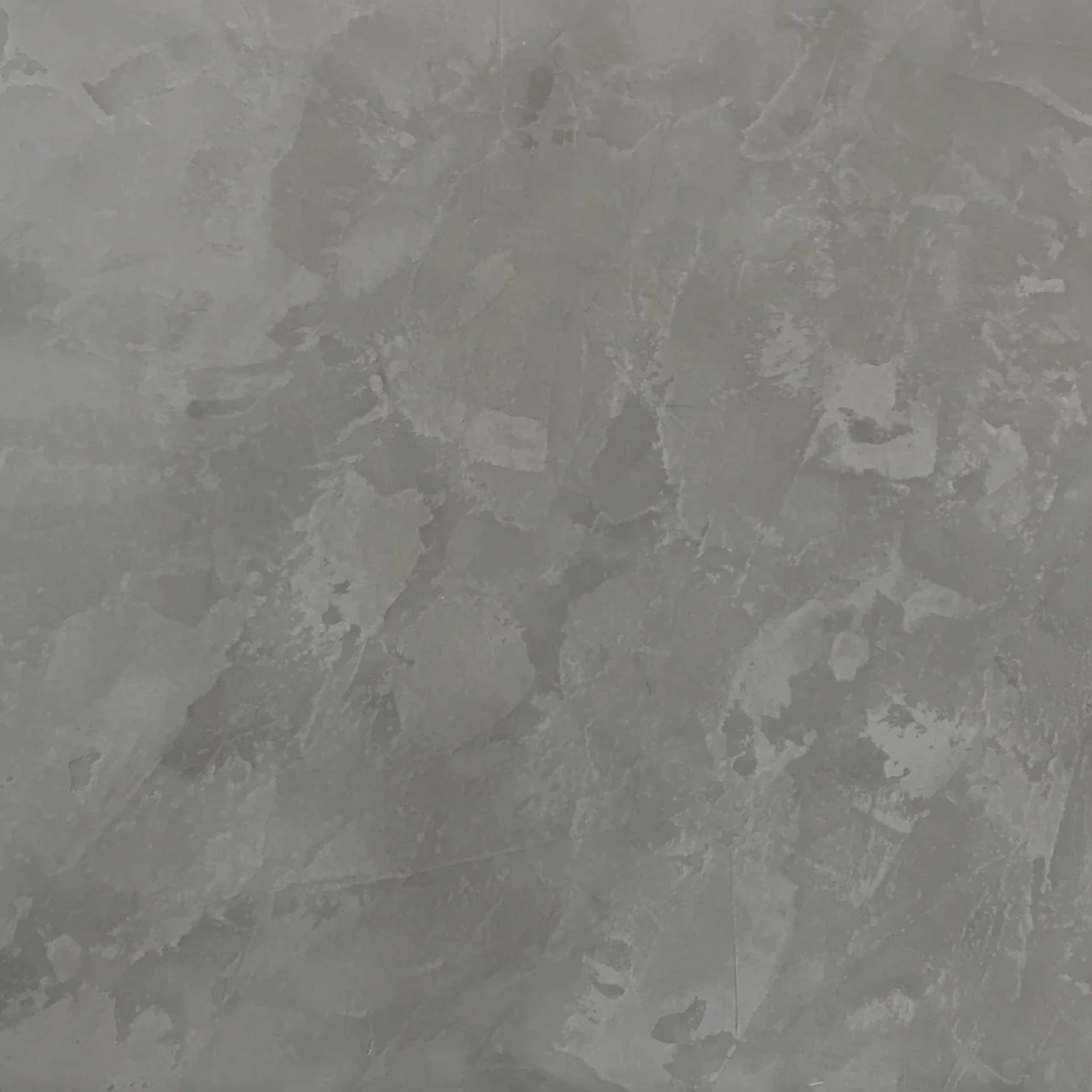
Stratum Finish - Roman Clay
Built-up mineral depth with visible handcrafted variation.
-
![]()
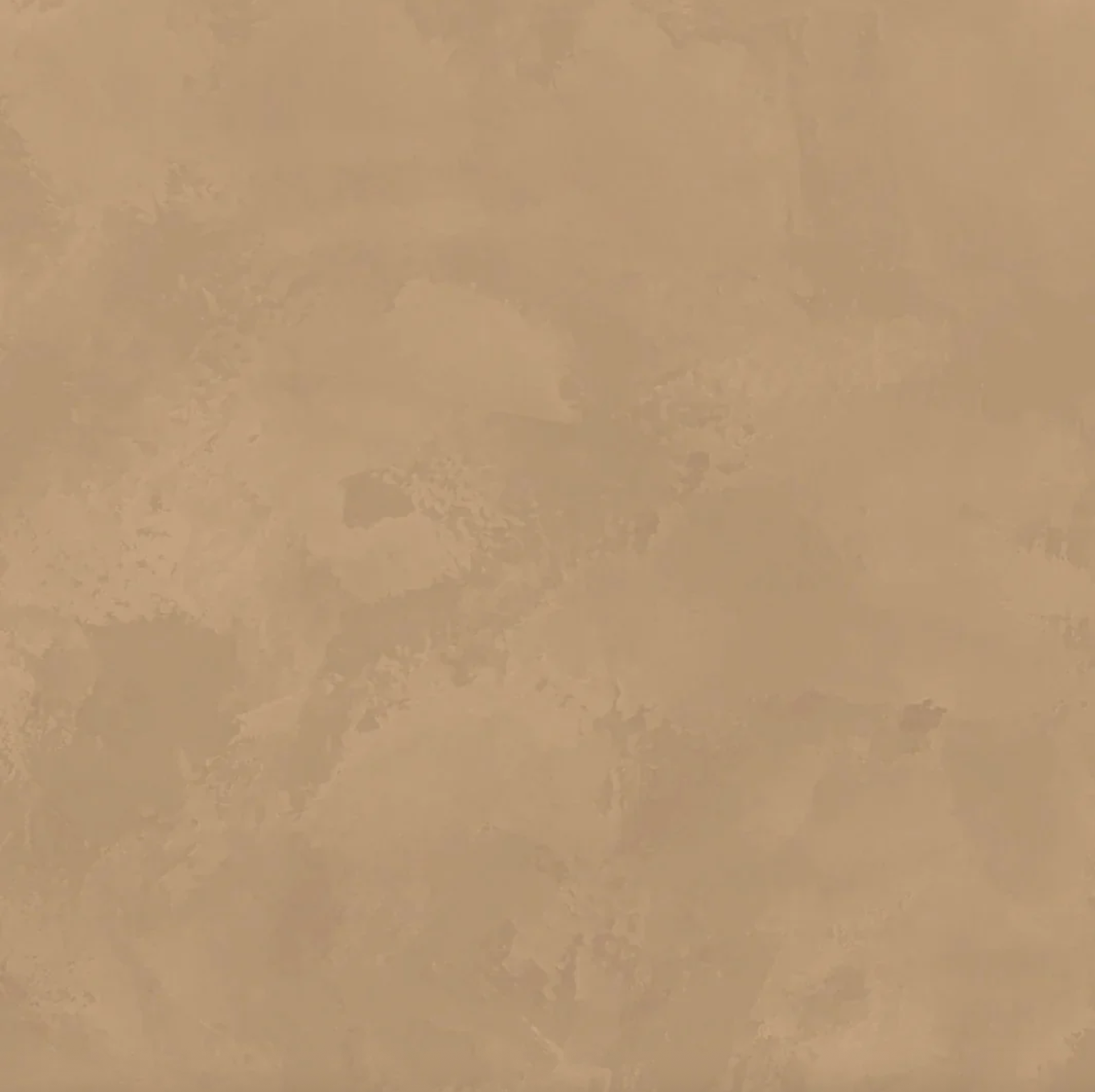
Contour Finish - Roman Clay
Subtle trowel motion creating quiet dimensional texture
-
![]()
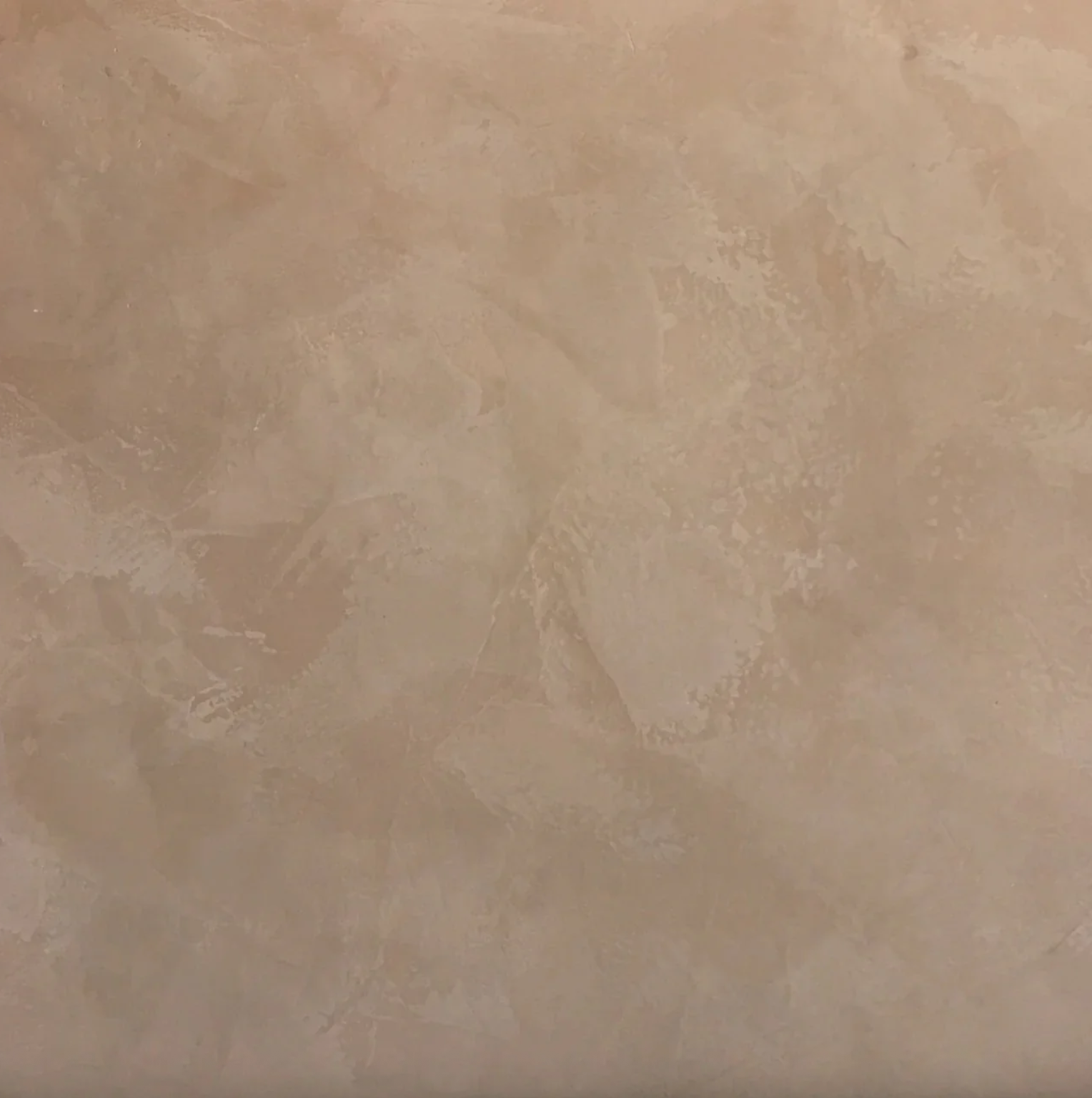
Velour Finish - Roman Clay
A velvety matte surface with gentle hand-applied movement
-
![]()
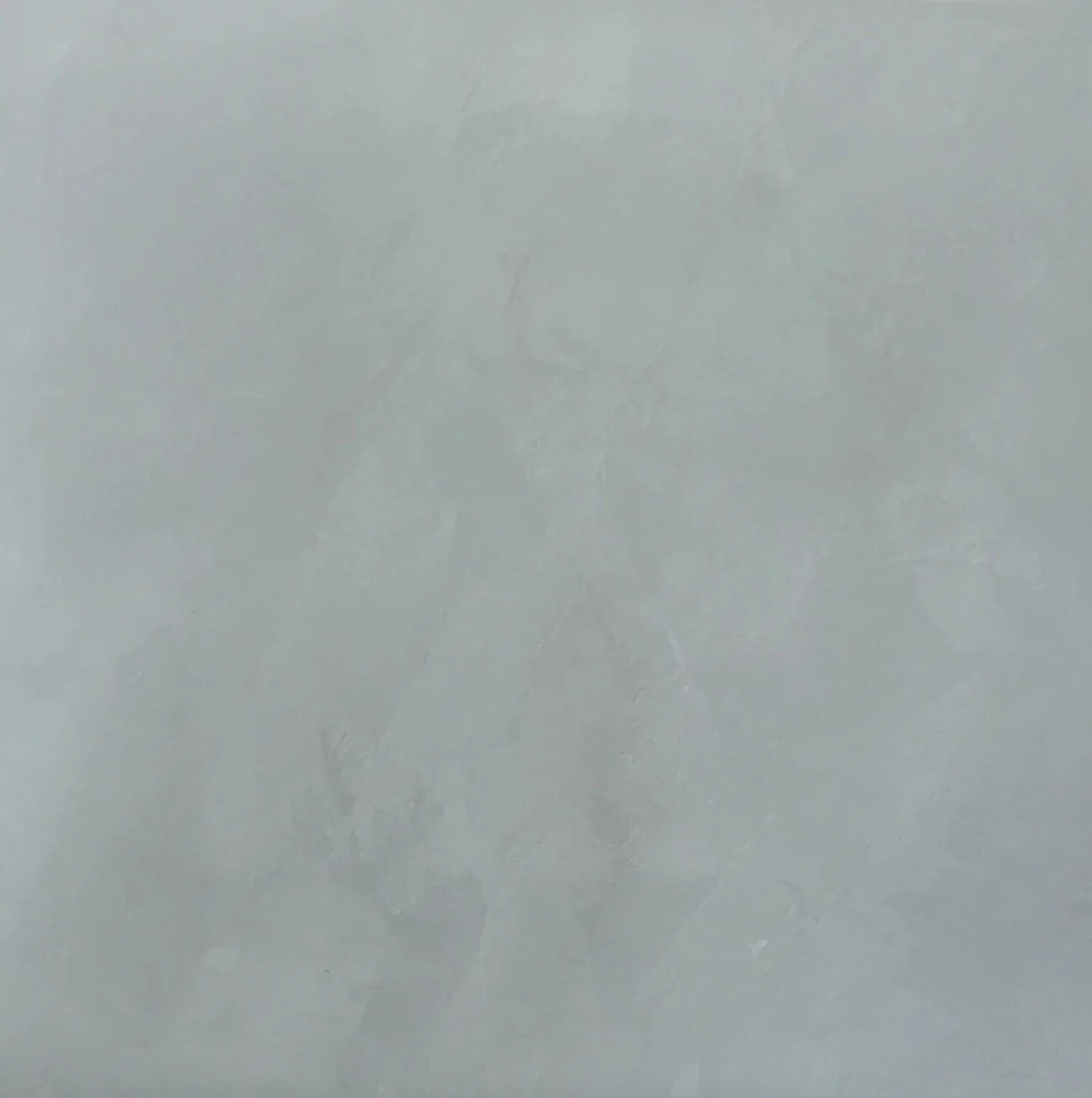
Calm Finish - Roman Clay
Smooth, restrained texture with soft mineral warmth
Roman Clay FAQ
-
Roman Clay is a natural clay-based plaster made from fine aggregates and mineral pigments. The material is applied in thin layers to create a soft, matte surface with subtle movement and texture.
-
Yes. Roman Clay is commonly applied over properly prepared drywall or plaster surfaces. The wall must be smooth, stable, and primed with compatible products before the finish is applied.
-
Roman Clay is durable for interior wall applications when installed correctly. However, it is best suited to dry interior areas rather than high-contact or moisture-prone environments.
-
Roman Clay is typically tinted in soft mineral tones such as warm whites, earth colours, and muted neutrals. Because the material is layered by hand, subtle tonal variation develops naturally within the surface.
-
Roman Clay works well on interior feature walls, living rooms, bedrooms, hallways, and other residential spaces where a calm, textured wall finish is desired.
-
Yes. Because Roman Clay is a mineral surface applied in layers, small areas can often be repaired or blended if damage occurs. Over time, the finish can also be refreshed with additional layers if desired.
-
See our Surface Guide.